About
What I Do — and Why It Matters to Your Business
Most businesses assume their systems are working because nothing looks obviously broken. No error messages. No alerts. Just quiet, invisible failures happening in the background — draining leads, suppressing email delivery, and breaking automations long before the revenue impact becomes visible.
The gap standard support leaves: Standard support can’t catch this. Most tech providers and platform support teams troubleshoot one tool at a time. What they miss is how your systems interact with each other across platforms. That’s exactly where the silent failures live — and where I specialize.
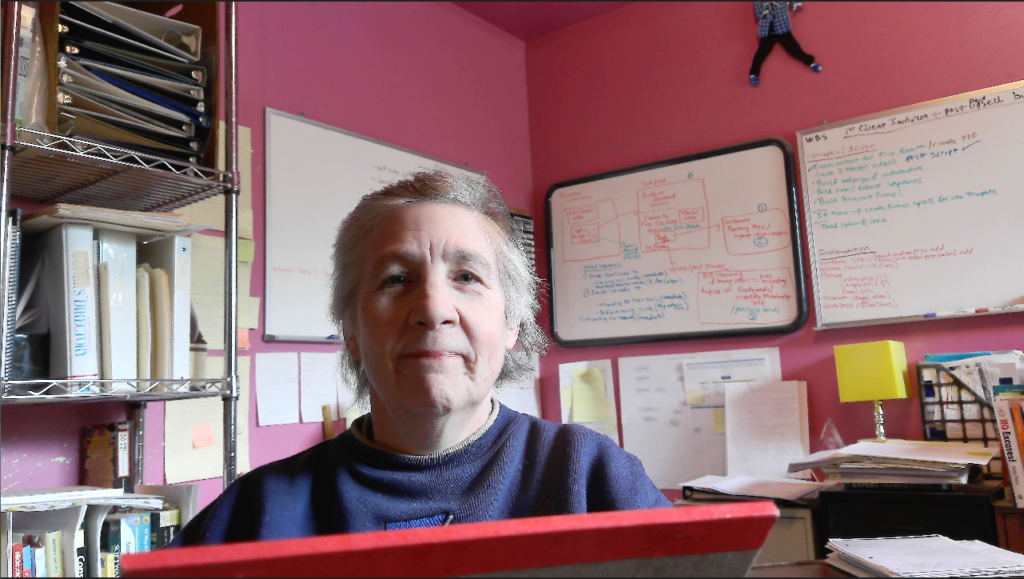
My role: I’m Donna Smith — Tech Systems\Reliability Strategist. I diagnose the cross-platform failures most consultants and tech providers miss by analyzing how your email systems, DNS, CRM, automations, and integrations work together as one connected business system. My focus is identifying root-cause failures and delivering solutions that actually work within your existing tools, workflow, and business environment — through coaching, consulting, or both.
Specializations:
Email deliverability and domain authentication
DNS configuration and branded email infrastructure
CRM setup and workflow integration
Automation debugging and connected systems reliability
Hidden revenue leak and operational reliability analysis
What you get: The result is stronger operational reliability, protected lead flow, improved email delivery, and greater revenue protection — so your business technology is actually doing the work it’s supposed to do. And beyond diagnosis & repair, I build fully-connected systems with automations and workflows custom to how you work — giving you hands-off technology so you can spend your time on clients and growth, not troubleshooting.
Who I Work With
I work with solo operators and small-team online businesses who are serious about growth but don’t have a dedicated tech person on their team. You’re past the “just launched” stage and not yet at the scale where you’d hire an in-house systems manager — you’re in business-building or early growth mode, and your technology needs to keep up with where you’re headed.
The range I serve: My clients come in at different stages of their tech journey. Some have a list of tools they know they need but haven’t set up yet. Others have platforms started but not properly connected or configured. And some have a fully built stack that isn’t performing the way it should. Simple or complex — if your business runs on digital tools and those tools aren’t fully working for you, that’s where I come in.
Who is NOT the right fit: I don’t work with large established enterprises with internal IT departments, and I’m not the right fit for businesses in their first 30 days who haven’t yet identified what tools they need. My best clients know their business, know they have a technology gap, and are ready to fix it.
Bottom line: If you’re building a real business and your tech is holding you back — or quietly failing without you knowing it — you’re exactly who I built this business for.
Why Clients Choose Me
There’s no shortage of tech help available. Here’s what makes working with me different.
-
I diagnose what others miss. Most tech support works in silos — one platform, one ticket, one fix at a time. I analyze how your entire system works together across platforms, which is where the real failures hide.
-
I find the solution that fits you — not the most expensive one. I build the tech solution that matches your actual needs, selecting the best tools for the job at the lowest viable cost. I will not sell you something you don’t need.
-
I work across the full complexity range. From straightforward email authentication fixes to fully custom CRM builds and automation workflows — I take on the technical work most generalist consultants avoid.
-
I make complex problems understandable. I’m skilled at explaining and documenting difficult technical problems, solutions, and topics in plain language. You’ll always know what was found, what was done, and why.
-
I don’t leave you in the dark. Once a project is complete, I train you on what was built and how to maintain it. If you’d prefer a hands-off arrangement, I offer ongoing maintenance instead. Either way, you’re never left without support.
-
I bring 15 years of real engineering experience. My background as a former corporate software engineer — combined with current hands-on systems work — means I bring enterprise-grade diagnostic thinking to small business problems. That’s a combination most consultants at this price point simply can’t offer.
-
I genuinely listen. I take a sincere interest in your goals, your workflow, and your skill level with technology. You’ll feel heard and understood — not processed.
How I Work With Clients
Every engagement starts with clarity — on your problem, your tools, and what a real solution looks like for your specific situation. Here’s what working together looks like from start to finish.
Step 1 — Discovery We start with a focused conversation to understand the full scope of what’s happening. I map your current technology, identify the negative impacts of the problems you’re experiencing, and assess your budget, your team’s skill set, and what you’ll need to maintain the solution going forward. You leave this step feeling heard, not overwhelmed.
Step 2 — Diagnosis & Solution Design I analyze what I’ve learned and scope out solution options based on your budget, ease of use, and how each option integrates with your existing tools. I bring engineering experience and real-world practicality to this step — not a generic recommendation list.
Step 3 — Solution Review & Decision We meet again to walk through the recommended solution, review tool costs once implemented, and answer every question you have. My goal is for you to feel genuinely confident in the path forward before any work begins. We agree on the final plan together.
Step 4 — Implementation: I execute the agreed solution — whether that’s a targeted fix, a full system build, or a configured integration. All work is done with your business environment (via remote access software), workflow, and tools in mind.
Step 5 — Handoff & Training Once the work is complete, I either provide full training on the deployed system so you can manage it confidently, or we move into a maintenance arrangement where I handle ongoing upkeep. You are never left without a clear path forward.
About Donna Smith & YourTechandMore
How do I know if I actually have a system problem?
Most businesses don’t know until it’s already costing them. Hidden failures like email authentication breakdowns, misconfigured DNS, and disconnected automations rarely produce visible error messages.
The most common signs are declining email open rates, leads going quiet, or automations that seem to run but produce no results. BUT not seeing any common signs does NOT mean your Tech does not have issues – this is because the majority of the issues don’t visibly show until they have progressed to the point of affecting your revenue, click rates and marketing results. I counter this by identifying early stage issues, get them fixed BEFORE they cause the problems you CAN see.
A diagnostic review will tell you exactly what’s happening.
I already have an IT person or platform support — why do I need you?
Many Platform Support teams are trained to solve problems within a single tool. They’ll troubleshoot your email platform, your CRM, or your DNS record — but not how all three interact with each other. That cross-platform gap is where most silent failures live, and it’s what I specialize in diagnosing.
Some support subscription plans do cover multiple-tools (with multiple types of troubleshooting) BUT they lack the skills to fully identify & repair larger scope bugs & mis-configurations. Plus they don’t give you the quick “response to fix” support or personalized care that I give.
What size or type of business do you work with?
I work with small to mid-size businesses and solo operators who rely on digital tools to generate leads, communicate with clients, and run their operations. You don’t need a large tech stack — you need the one you have to actually work.
Do I need to be technical to work with you?
Not at all. I take a genuine interest in understanding your goals, your workflow, and your current skill level with technology. My job is to translate what’s happening in your systems into clear findings and practical next steps you can actually understand and act on — not to talk over your head.
Will you recommend tools or services I don't actually need?
No — and that’s a deliberate commitment. I operate with full transparency on both recommendations and pricing. If something isn’t necessary for your situation, I won’t suggest it. My goal is the most cost-effective solution that fits your actual needs.
What happens on the free Tech & Systems Conversation call?
It’s a relaxed 30-minute conversation to discuss your business workflows, operations, goals, and technology systems. Walk away with quality information you can use today to improve your Tech tools and processes to save you time and make more revenue, no obligation. Plus we evaluate how I can support your tech needs. Book Yours Today.
Do you do the work yourself, or do you teach me to manage it?
Both, depending on what you need. Some clients want full implementation — I build and configure the systems directly. Others prefer coaching so they can manage their own stack with confidence. Either way, I don’t leave you in the dark once the work is done. Training on what was built and how to maintain it is part of how I work.
Where do I start if I'm not sure what I need?
The Revenue Protection Systems Review is the right starting point. It’s free, it’s focused, and it gives you a clear picture of where your systems stand —you get a focused review & advice you can use today.
My Mission
I’m here to make sure small businesses have access to the same caliber of technology thinking that was previously only available to large enterprises. My mission is to empower every client to fully utilize the most cost-effective technology solutions for their needs — delivered through specialized diagnostics, education, design, and implementation that fits how they actually work.
My Vision
I believe every small business deserves technology that works reliably and completely — not technology that almost works, sometimes works, or silently fails. My vision is to be the trusted systems specialist that business owners in growth mode turn to when they’re ready to stop losing ground to invisible tech failures and start building on a foundation that holds.